

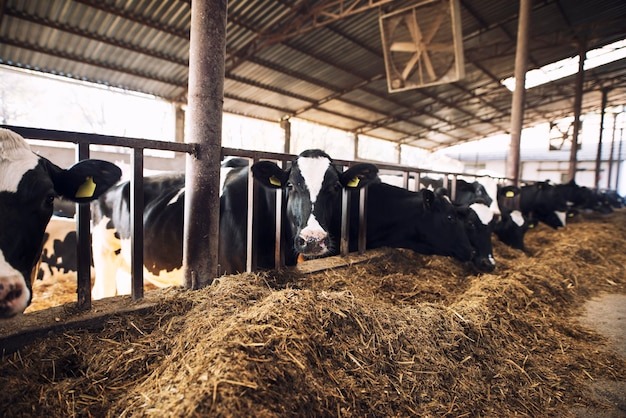
Proper nutrition is one of the most important factors in maintaining healthy and productive livestock. Cattle, sheep, goats, poultry, and other farm animals require balanced diets to support growth, reproduction, immunity, and daily activity. Their nutritional requirements can vary according to species, age, weight, health, and production goals. Understanding how nutrients contribute to animal health can help farmers make informed decisions when selecting livestock feed and developing feeding routines.
1. Understand the Importance of Energy
Energy provides animals with the fuel they need for movement, body maintenance, growth, and production. Carbohydrates and fats are common sources of dietary energy.
Animals that are growing, producing milk, carrying offspring, or performing significant physical activity may require different energy levels than animals maintained primarily for general health. A balanced feeding plan should provide enough energy without creating unnecessary excess.
2. Provide Adequate Protein
Protein supports muscle development, tissue repair, growth, and many essential body functions. Young animals and animals producing milk or eggs may have higher protein requirements than mature animals with lower production demands.
Livestock feed may contain protein sources such as grains, oilseed meals, legumes, or other ingredients formulated to meet the nutritional needs of particular animals.
3. Include Essential Minerals
Minerals play important roles in bone development, muscle function, reproduction, and overall health. Calcium, phosphorus, sodium, potassium, magnesium, and trace minerals such as zinc and selenium may be important depending on the animal and its diet.
Mineral requirements can vary significantly, so farmers should avoid adding supplements without understanding the animal’s actual nutritional needs.
4. Ensure Access to Vitamins
Vitamins support processes such as immune function, metabolism, growth, and reproduction. Some vitamins can be obtained through feed ingredients, while others may be produced or supported by normal digestive processes depending on the species.
Proper storage of feed is also important because exposure to moisture, heat, or poor conditions can affect nutritional quality.
5. Provide Plenty of Clean Water
Water is an essential part of livestock nutrition and is often overlooked. Animals need water for digestion, temperature regulation, circulation, and many other biological functions.
The amount required depends on species, body size, weather, diet, and production level. Fresh, clean water should be available regularly, and drinking containers should be kept clean.
6. Consider Fiber and Forage
For many livestock species, forage and dietary fiber are important for normal digestion. Hay, pasture, silage, and other forage sources can contribute nutrients while supporting healthy digestive function.
Livestock feed should be selected according to the digestive system and nutritional requirements of the species rather than using the same feeding approach for every type of animal.
Final Thoughts
Understanding the nutritional needs of livestock involves balancing energy, protein, minerals, vitamins, fiber, water, and other essential dietary components. Requirements can vary according to species, age, health, environmental conditions, and production goals. Choosing appropriate livestock feed and maintaining good feeding and storage practices can support healthier animals and more consistent productivity. Farmers should monitor animal condition and seek professional veterinary or nutritional guidance when dietary concerns arise, especially when managing specialized or high-production animals.
Leave a Reply