
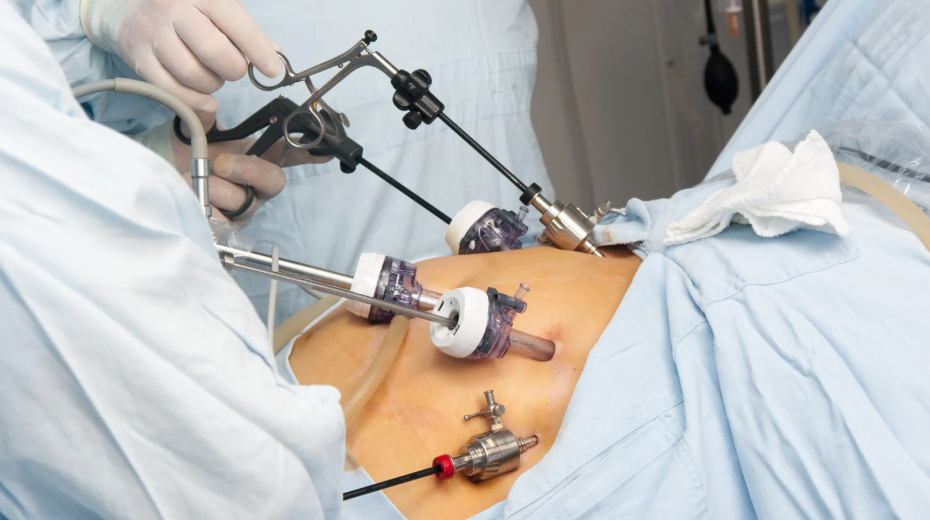
Undergoing weight-loss surgery is a major step that requires patience, planning, and professional guidance during recovery. The period following surgery is structured in phases, each designed to support healing and long-term success. For patients considering gastric bypass in Manhattan, understanding the recovery timeline helps reduce uncertainty and set realistic expectations. While individual experiences vary, most recoveries follow a predictable pattern guided by medical oversight and gradual adjustment.
The First Few Days After Surgery
Immediately after surgery, recovery begins in a monitored medical setting. This early phase focuses on pain control, hydration, and ensuring the digestive system begins healing properly.
Patients are encouraged to move gently as soon as possible to support circulation and reduce the risk of complications. Liquid intake is introduced carefully, with close attention to tolerance and comfort.
The First Two Weeks: Initial Healing Phase
Once discharged, patients enter the first at-home recovery phase. This period focuses on rest, hydration, and following a structured nutrition plan. Dietary intake is limited to liquids and very soft foods as the digestive system adapts to its new structure. Portion control and pacing are emphasized to avoid discomfort.
Weeks Three to Six: Gradual Increase in Activity
As healing progresses, patients typically regain energy and begin resuming light daily activities. Gentle movement is encouraged, while strenuous activity is still limited.
Nutritional intake slowly expands under professional guidance, introducing more texture while maintaining portion control. Regular follow-up appointments help ensure nutritional needs are being met.
One to Three Months: Building Consistency
During this stage, patients often notice steady weight changes and improved mobility. Energy levels continue to improve as the body adapts to new eating patterns.
Medical follow-ups focus on monitoring progress, nutrient levels, and overall well-being. This period reinforces consistency in nutrition, hydration, and lifestyle habits. Recovery is closely tied to long-term outcomes. Knowing how effective gastric bypass is for long-term weight loss helps patients understand why adherence to guidelines during recovery is so important.
Three to Six Months: Stabilization and Adaptation
By this point, many patients feel more comfortable with their routine. Eating patterns become more predictable, and physical activity levels may gradually increase with medical approval.
Nutritional monitoring continues to ensure the body receives essential vitamins and minerals. Adjustments are made as needed to support overall health.
During this phase, patients often develop greater confidence in managing portions and food choices. Strength and endurance typically improve, allowing for more consistent daily movement.
Beyond Six Months: Long-Term Recovery and Maintenance
Long-term recovery focuses on maintaining progress rather than healing alone. Regular medical check-ins help track weight trends, nutritional status, and overall health markers.
Lifestyle consistency becomes the primary driver of success, supported by ongoing professional care and monitoring.
This stage emphasizes sustaining healthy habits that fit naturally into daily life. Continued guidance helps address changes over time while supporting lasting stability and wellness.
Conclusion
The recovery timeline after gastric bypass follows a structured progression focused on healing, adaptation, and long-term stability. Each phase builds on the previous one, supporting both physical recovery and sustainable lifestyle change. With professional guidance and patience, recovery becomes a manageable process that lays the groundwork for lasting health improvements.
You may also like



Leave a Reply